Peak Shaving vs More Pipeline Capacity: The Real Maths
A utility facing winter demand spikes can contract year-round pipeline capacity or store LNG on site. How the two actually compare on cost.
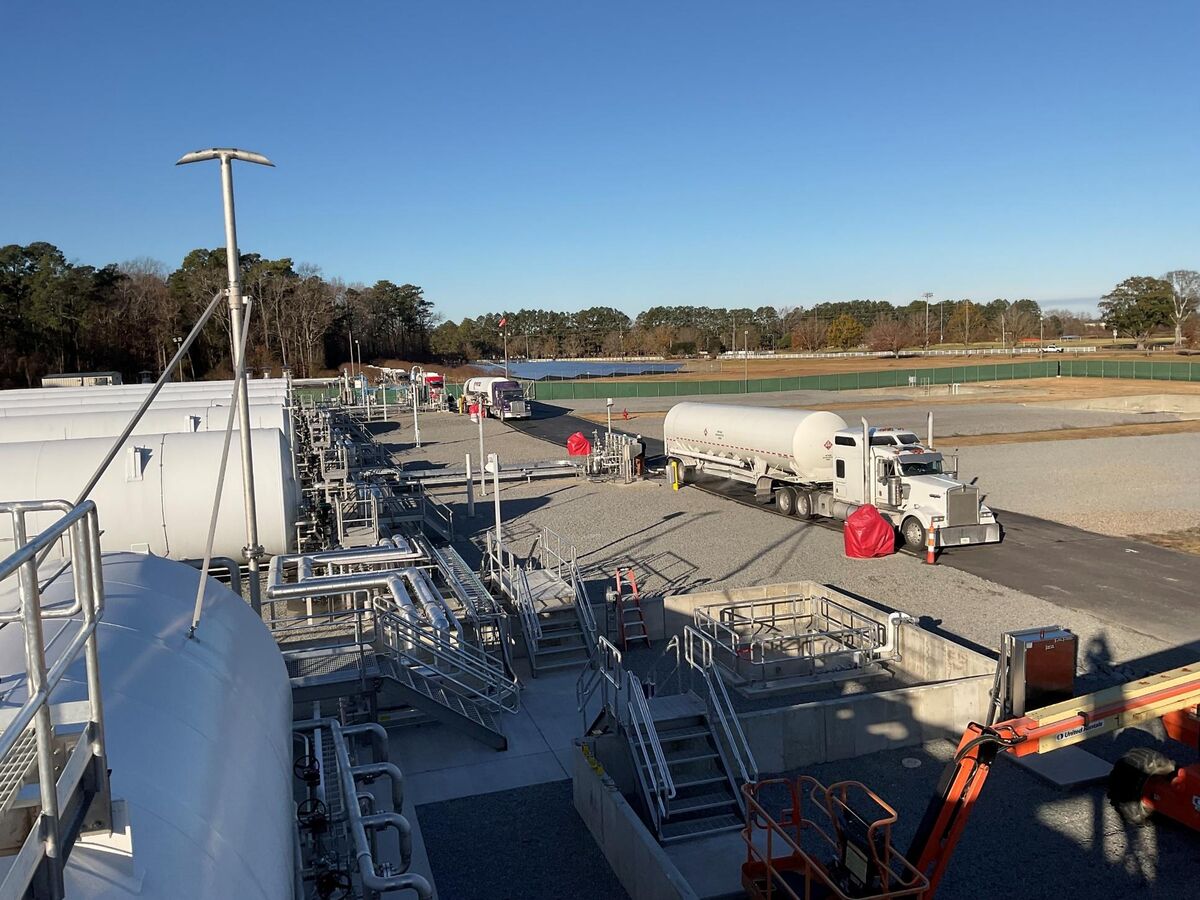
Every gas utility runs into the same arithmetic sooner or later. Demand on the coldest morning of the year is several times an ordinary January day, and the distribution system has to meet it. There are two ways to get there, and they cost money in very different shapes.
The pipeline route
The straightforward option is to contract for more firm transportation capacity. It is simple to explain to a board, and it works.
The catch is what you are paying for. Firm capacity is billed on the reservation, not on what flows through it. A utility sizing its contract for the single worst hour of the winter pays for that headroom in July as well as January. The capacity sits there, reserved and unused, for most of the year.
That is not automatically the wrong call. Where capacity is cheap and available, it often is the right one. But the cost follows the peak, and the peak is by definition rare.
The storage route
The other option is to hold the gas yourself. An LNG peak-shaving plant liquefies and stores natural gas during the mild months, when both the commodity and the pipeline are cheap, then vaporizes it back into the distribution system on the days when demand spikes.
The economics invert. You are buying a fixed asset once instead of renting headroom every month, and you are filling it with off-peak gas. What you take on instead is a facility to operate, maintain, and keep compliant.
How the comparison actually gets made
In practice nobody decides this on a single number. The questions that settle it are:
How many hours a year is the peak actually binding? A system that hits its ceiling for forty hours a winter has a very different answer from one that runs tight for three weeks.
What is firm capacity going for in that corridor, and can you even get it? In constrained regions the honest answer is sometimes that there is nothing to buy at any price, which ends the debate.
What is the delta between off-peak and on-peak commodity cost? Storage only pays if the spread is real. That spread has widened in most of the country over the last several winters.
What does the site allow? Tank siting, setbacks, and permitting are not footnotes. They frequently determine the schedule more than the engineering does.
Who operates it on day one? A plant that no one on staff is trained to run is a liability, not an asset.
Where it usually lands
Utilities with a sharp, short peak and a tight pipeline corridor tend toward storage. Utilities with a flatter load curve and easy access to capacity tend to keep buying it. Plenty of systems end up with both, using storage to shave the top off the peak so the firm contract can be sized to something more reasonable.
The mistake we see is treating it as a one-time either/or decision made once and never revisited. Capacity markets move. Commodity spreads move. A comparison run five years ago on assumptions that no longer hold is worth running again.
If you are working through this for your own system and want a second set of eyes on the numbers, that is the kind of thing we do. There is no charge for a first conversation.